Can mobile hardware match engine complexity?
We ignore the buzz of "unlimited potential" to focus on the reality of silicon limits. BaseVera applications are built at the intersection of thermal constraints and high-fidelity rendering.
Engineering
Categories
Detailed classification of our current production pipeline, spanning high-latency strategy environments to sub-20ms real-time combat systems.
Real-Time Dynamics
Our RTS framework utilizes proprietary adaptive AI difficulty scaling. Instead of binary win/loss logic, our system monitors 14 performance metrics per player to adjust challenge density in real-time, ensuring a sustained "flow state" for both competitive and casual users.
High-Fidelity Rendering
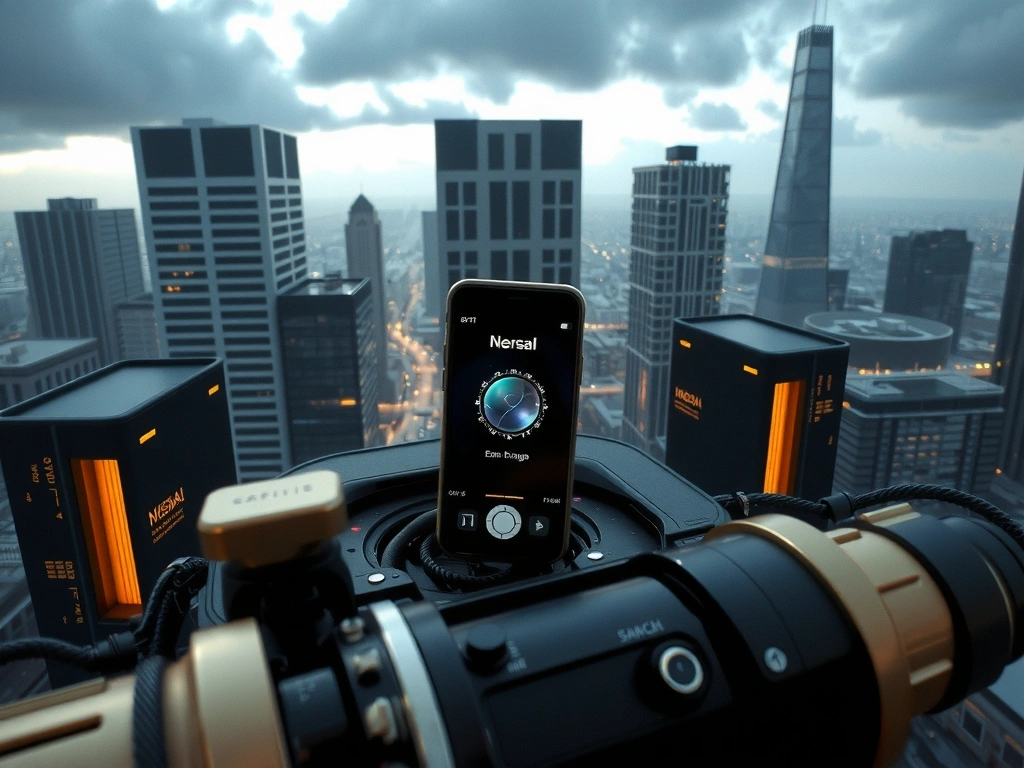
Optimizing complex texture maps for mid-range hardware without sacrificing visual integrity. We prioritize lighting shaders and material depth to create immersion that traditionally required desktop-grade GPUs.
Core Engine
Agility
Bridging the gap between VR-ready engines and lightweight browser environments. Universal codebases that allow a 2D puzzle logic to scale into a 3D persistent world.
Social Interaction Hubs
Integrated social features beyond basic chat. We build cooperative mission frameworks and persistent leaderboards that utilize DE-CIX data residency for the lowest possible latency in the DACH region.
- [SYSTEM] Encrypted voice channels verified
- [SYSTEM] Cross-device sync: ACTIVE
- [SYSTEM] Cloud-save integrity: 100%
Battery Impact
Optimized for long-session endurance on 5000mAh units.
The Hard
Choice
"Visual fidelity is a currency. Spending it recklessly causes the host hardware to bankrupt the user experience."
Decision Lens: Performance vs. Aesthetics
High Frame Rate vs. Texture Quality
We prioritize 60FPS over 4K textures in competitive environments. High latency or frame jitter is the primary cause of user churn in real-time applications.
MITIGATION: Adaptive LOD (Level of Detail) systems trigger during high-motion sequences.
Native Execution vs. Hybrid Flexibility
While hybrid frameworks allow for faster deployment, we prioritize Native C++/Vulkan for performance-critical engines to bypass hardware throttling.
MITIGATION: Modular SDK core with high-level JS bridges for UI components.
Visual Complexity vs. Battery Life
Dynamic shadows improve immersion but accelerate thermal throttling. Our apps use pre-baked lightmaps with dynamic focal-point lighting.
MITIGATION: Honest 'Eco-Mode' toggle available in all BaseVera system menus.
Real-World Case // Simulation_Alpha
A player in Brandenburg on a 4G connection joins a 64-player tactical match. The device is a 3-year-old mid-range handset.
The BaseVera Solution: Our backend immediately downscales non-essential asset packets. The UI remains responsive at 30ms local latency while background syncing continues as bandwidth permits. Result: Uninterrupted gameplay despite infrastructure limits.
Telemetry Snapshots
The Integrity Check
Over-Engineering UI
Mistake: Adding complex 3D menus that drain battery before the user even enters the game.
Our Approach: Minimalist, vector-based HUDs that leverage hardware acceleration for 0% CPU impact.
Privacy Laxity
Mistake: Neglecting European GDPR standards in player profiling and data collection.
Our Approach: Zero-knowledge player identifiers and on-device data processing where possible.
Latency Neglect
Mistake: Relying on global CDNs that add 100ms+ round-trip time for German users.
Our Approach: Infrastructure strictly localized to Frankfurt/Berlin data centers for the lowest local ping.
Optimization Boundaries
Engineering Log v.22
We operate under the assumption that 30% of our user base is on high-latency 4G and 15% are using devices more than 4 years old. If a mechanic doesn't serve these users, it doesn't leave the lab. Our recommendation only changes when 5G penetration exceeds 80% coverage in rural Germany.
Interface
Logic
The journey from app store listing to the "first playable moment" is orchestrated to minimize drop-off. We utilize sub-millisecond asset decompression to ensure players are in-game in under 4 seconds.
Our UX decision lens led us to gesture-heavy controls over traditional virtual joysticks. This maximizes screen real estate for the visual narrative while providing tactile feedback via localized haptics.
Hardware Sync
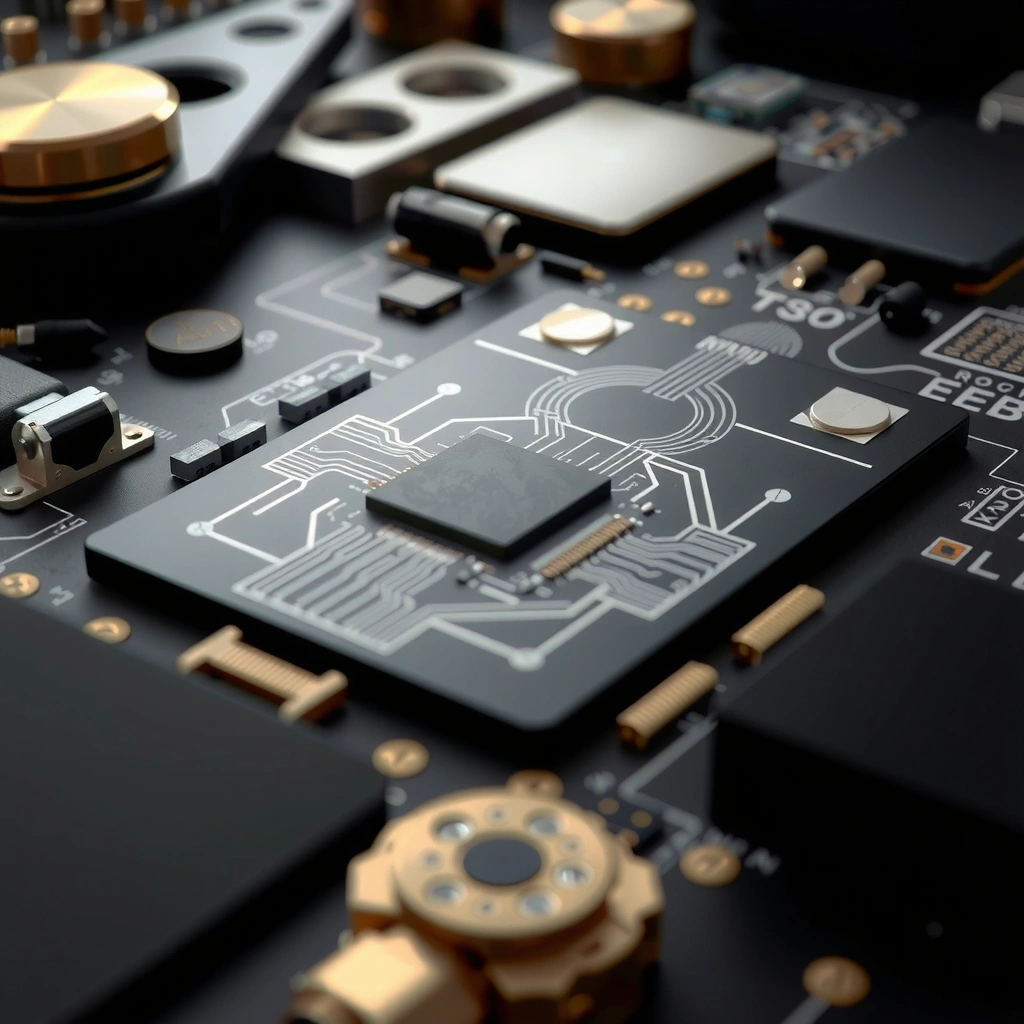
- > Snapdragon 8 Gen 1+
- > Apple A15 Bionic+
- > Dimensity 9000+
- > Exynos 2200+

Accessibility Stamp
All applications include native colorblind modes, customizable tap-zones, and text-to-speech engine support. Precision gaming must be universal.
Ready to deconstruct
your application needs?
Whether you are looking for sub-20ms latency infrastructure or high-fidelity asset pipelines, we provide the technical foundation to move from concept to silicon reality.